Networks in biology and ecology course 2026
Course 205-2-1609 @ Department of life sciences, Ben-Gurion University of the Negev
Last update: 03 March, 2026
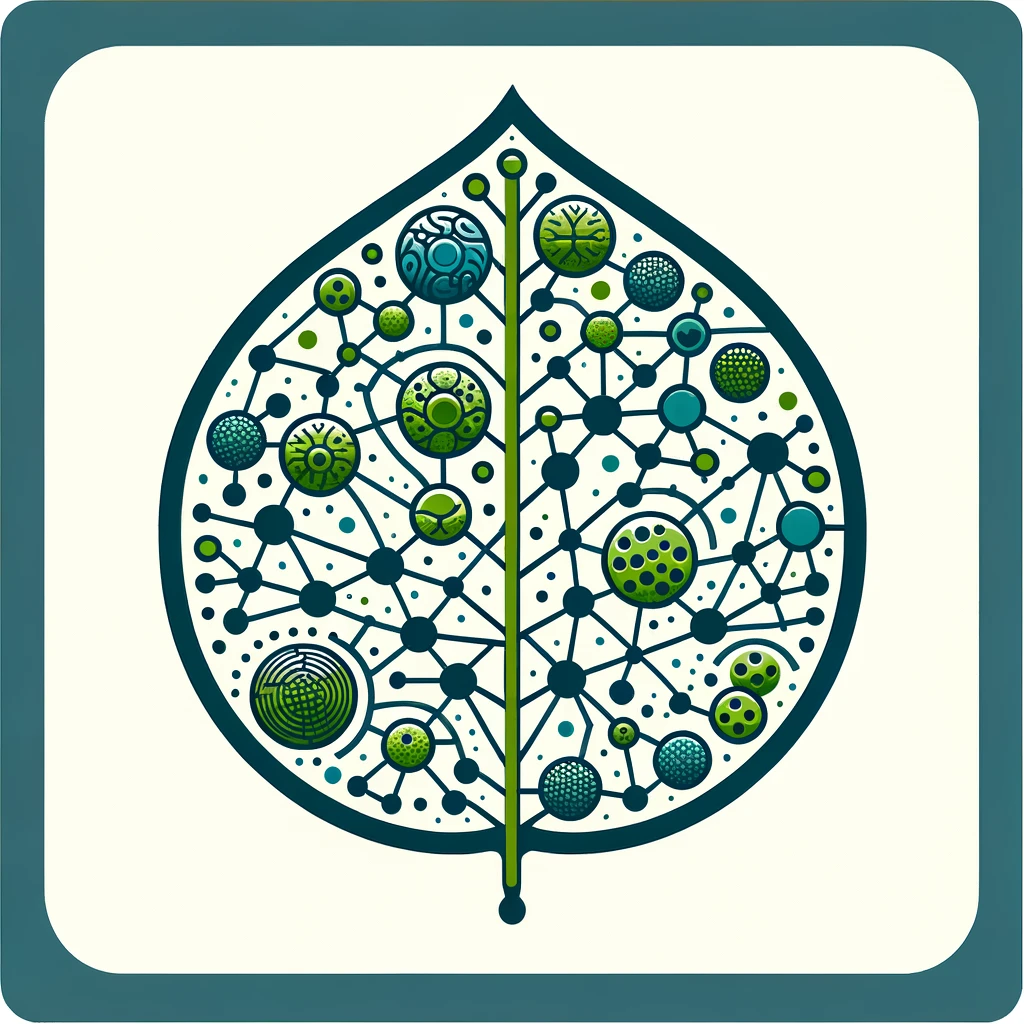
Biological systems, and specifically ecological systems, contain multiple entities that interconnect to form networks. These include gene interaction networks, food webs, plant-pollinator networks, metapopulations and networks of disease transmission. How these networks are structured is crucial for the dynamics and functioning of biological systems. This course will introduce the theory and methods for working with biological networks. Though primarily motivated by ecology, the theory and methodology we will cover is also relevant for other fields in biology, such as neuroscience, systems biology and epidemiology.
Beyond providing knowledge on complex biological systems, my goal is to help students acquire and enhance necessary research skills. This is achieved through a combination of teaching and evaluation approaches. Therefore, there is no exam. Instead, students will have the opportunity to lead and engage in paper discussions, perform hands-on analysis on their own research questions, present their projects in the style of a conference, and write a report in the form of a scientific paper.
The course is entirely in English.
End of course survery
License
The course is licensed under  . You can find here a
human-readable summary of this license. You are free to use the material
under the license, but please consider that it took over a year of work
to develop the course. I would appreciate if you let me know when you
are using any of the course materials.
. You can find here a
human-readable summary of this license. You are free to use the material
under the license, but please consider that it took over a year of work
to develop the course. I would appreciate if you let me know when you
are using any of the course materials.
Acknowledgements
This course is a reincarnation of a course I co-taught with Prof. Mercedes Pascual (she was leading the teaching), back at the University of Chicago between 2017-2019. Though the material has considerably changed, much of the essence remains.